How growing conditions shape food
Connect crop identity, soil, cultivation and harvest metadata with composition, bioactives and post-harvest changes.
Explore research and learning across agronomy, food, diet and nutrition at Soliam Institute of Life Sciences.
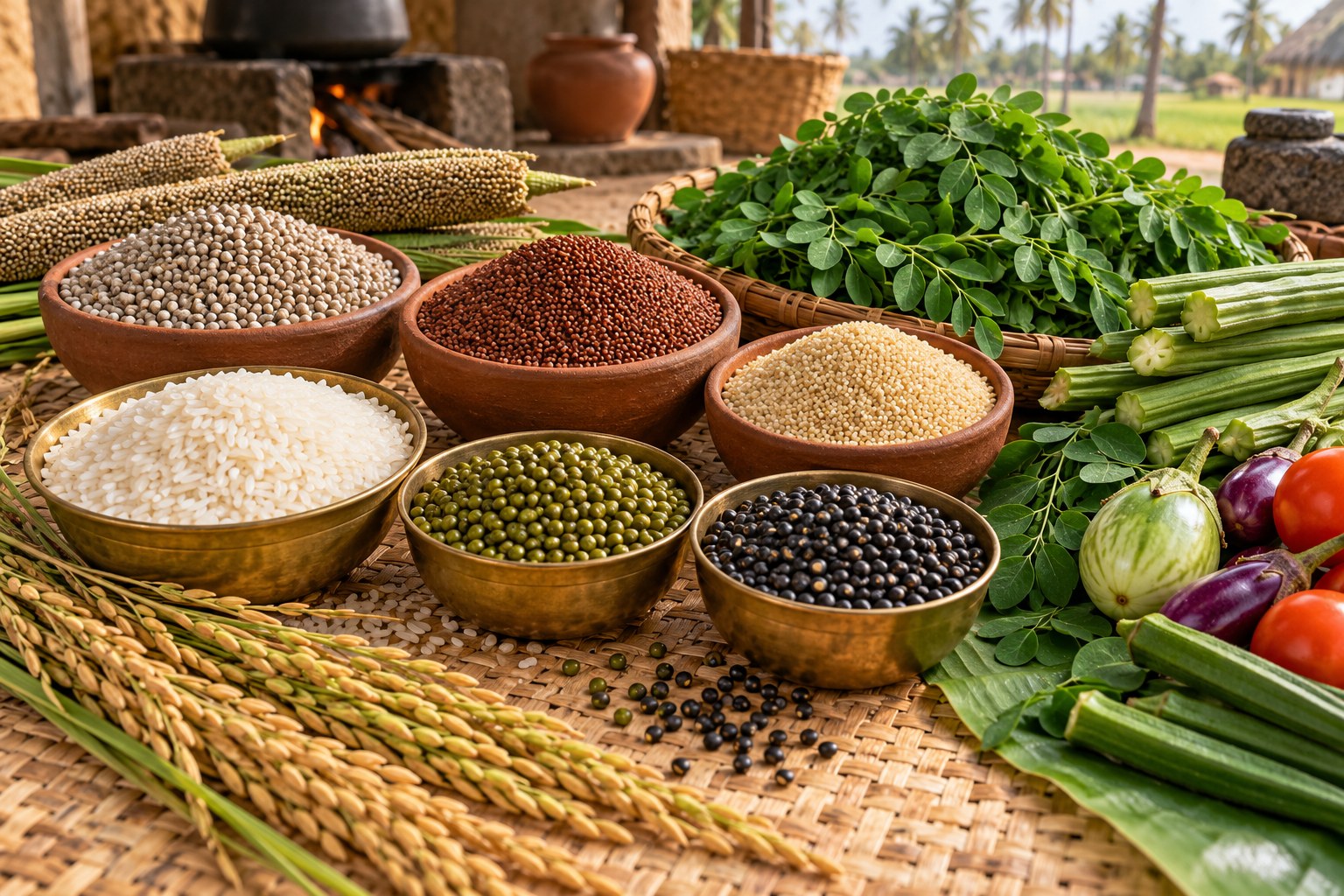
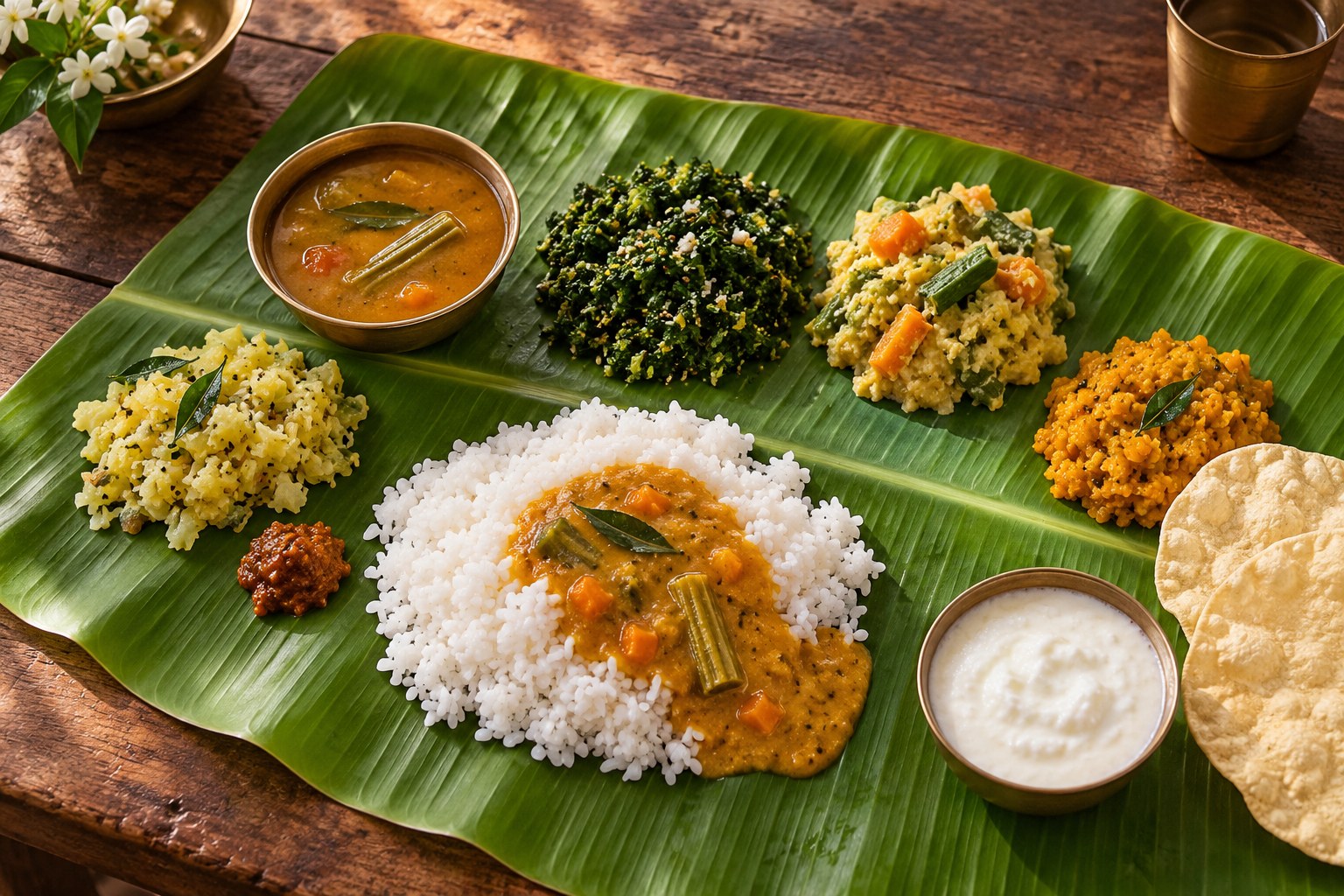
Tamil Nadu-inspired imagery · illustrative scenes
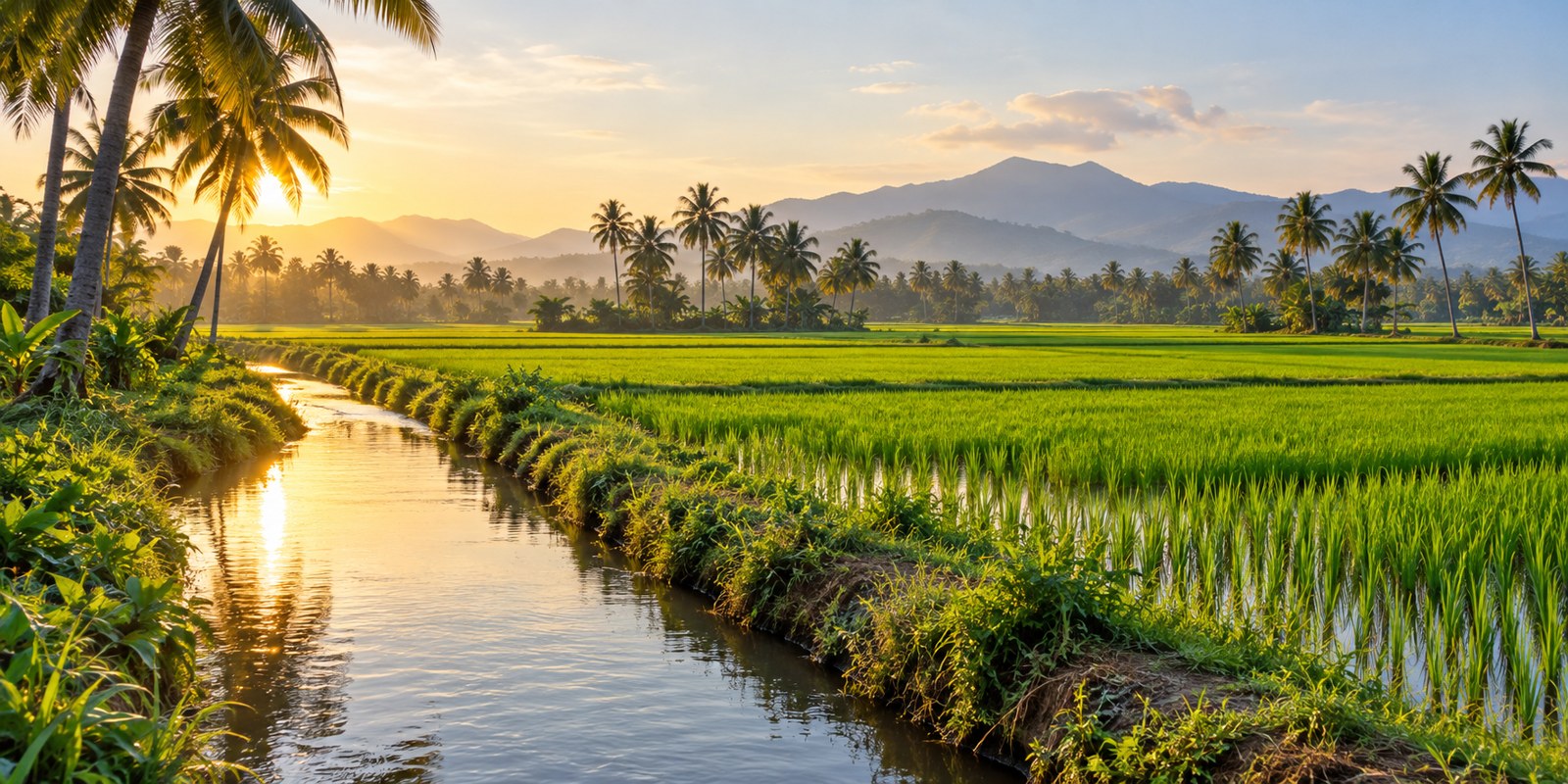
Soliam Institute of Life Sciences (SILS) connects four research domains: agronomy, food, diet and nutrition.
SILS is a newly established research institute functioning as a division of Soliam Foundation in Karur, Tamil Nadu. We aim to study the journey from agricultural systems to food composition, dietary practices and biological responses.
Our approach brings environmental context and human wellbeing into the same research conversation. Projects are developed through scientific consulting, education and academic–industry collaboration.
Explore the questions that connect how food is grown, what it contains, how it is eaten and how the body responds.
Research interests in soil health, crop diversity, agricultural practices and their relationships with food quality and sustainable production.
A useful study follows the relationships between stages, while keeping observations, hypotheses and validated findings distinct.
Connect crop identity, soil, cultivation and harvest metadata with composition, bioactives and post-harvest changes.
Study processing, preparation, availability and food diversity alongside dietary choices and meal practices.
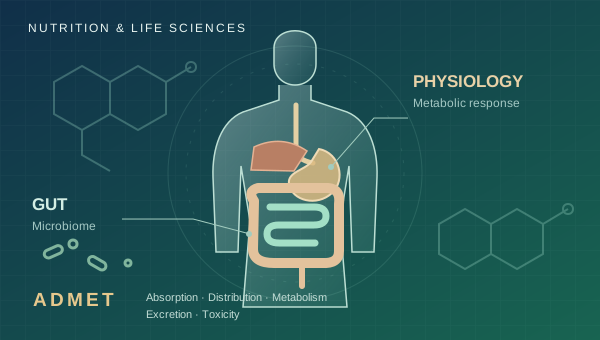
Integrate dietary records with microbiome data, metabolites, biomarkers and outcomes within appropriate study designs.
Project-based research development and interpretation, with scope, partner requirements and deliverables agreed before work begins.
Develop research concepts linking crop systems, food quality and sustainable production.
Support interpretation of composition, processing-related changes and bioactive compound findings.
Develop research frameworks connecting food patterns with microbiome and biological measurements.
Training interests for students, researchers and professionals connecting agriculture, food science and nutrition.
Soil–plant relationships, crop diversity, food-system thinking and research documentation.
Food composition, processing, bioactive profiles and assessing compound identification evidence.
Dietary assessment, food diversity, microbial ecology and biological research outcomes.
Study design, source appraisal, publication figures, scientific writing and responsible AI support.
We welcome conversations with agricultural researchers, universities, food enterprises, nutrition teams and community organizations.
Tell us what you are working on, where you need support and what you hope to achieve.